
Offer
Provide additional details about the offer you're running.
FLASHSALE
Provide additional details about the offer you're running.
Provide additional details about the offer you're running.
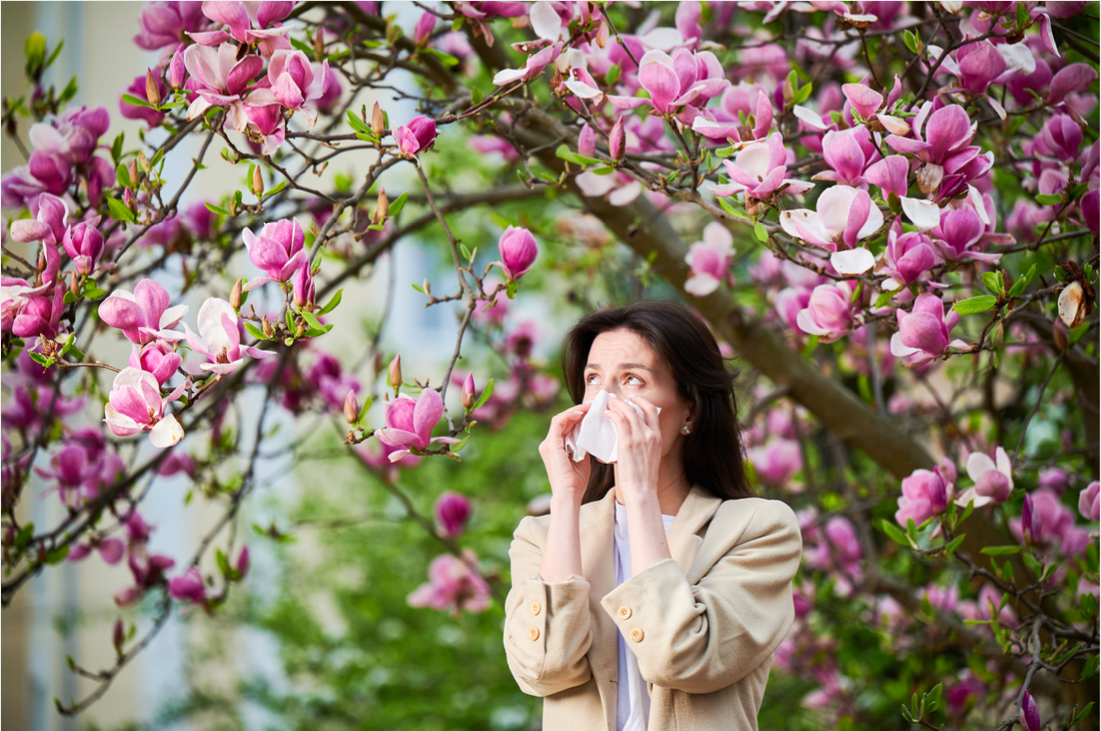
As spring arrives in Australia, nature awakens after the quiet of winter. Tulip gardens, roses, wisteria, and purple jacaranda trees burst into bloom, painting the landscape with dazzling colours. The weather becomes warmer and fresher, inviting families to enjoy picnics in the parks, take long walks, and join flower festivals that celebrate the season of renewal.
Yet, alongside this beauty, spring also brings an annual challenge for many Australians:
pollen allergies, commonly known as hay fever.
Pollen allergy is essentially an overreaction of the immune system. Normally, pollen —
tiny grains released by flowers, grasses, and trees for reproduction — is harmless. But for sensitive individuals, the immune system mistakenly treats pollen as a threat and launches a defensive response:
In Australia, common culprits include ryegrass, olive trees, wattle (golden acacia), and various weeds. Symptoms are often worse on dry, windy spring days when pollen spreads widely in the air.
While antihistamine medications are widely used, many people turn to natural remedies to help manage hay fever and reduce discomfort:
Alongside these remedies, lifestyle habits can make a big difference — such as avoiding outdoor activities early in the morning (when pollen counts are highest), keeping windows closed on windy days, and showering after spending time outside to remove pollen from skin and hair.
Spring in Australia is a season of renewal and beauty, but it also reminds us to care for our health. With the support of natural remedies like Fucoidan, you can keep allergies at bay and fully embrace the vibrant energy that spring has to offer.