

Most popular posts


Winter Warriors: Cordyceps & Reishi Capsules for Stronger Immunity
June’s chill has settled across Australia, bringing shorter days, recycled heating, and a spike in seasonal sniffles. Sound sleep, colourful produce, and regular movement remain the foundations of wellness—but increasingly, health-conscious Aussies are turning to medicinal mushrooms for an added layer of protection. Two standouts—Cordyceps militaris and Reishi (Ganoderma lucidum)—have earned centuries of trust in traditional Asian medicine and are now supported by modern research. Conveniently concentrated into easy-to-take capsules, they offer a practical way to stay resilient all winter long. Cordyceps: The “Energy Mushroom” Cordyceps contains signature compounds—cordycepin and adenosine—that help your cells produce and recycle ATP, the energy...


Easing Achy Joint
Easing Achy Joints: A Practical Guide for Older Australians Joint pain has become one of the most common complaints in later life. Nearly one in three Australians over the age of 75 reports osteoarthritis or related joint symptoms, and knee pain alone accounts for more than one in forty visits to a GP. Updated national guidelines released in 2024 confirm that, while severe cases may require surgery, most everyday discomfort can be eased—or even prevented—through steady, early lifestyle changes.safetyandquality.gov.au | racgp.org.au Why Do Joints Ache With Age? As we grow older, cartilage thins, synovial fluid loses its lubricating viscosity, and...
What is Cordyceps? Uses and Health Benefits
Cordyceps is a unique and fascinating fungus that has been used for centuries in traditional Chinese medicine. This mushroom-like organism grows primarily in the high-altitude regions of China and Tibet and has gained popularity worldwide for its potential health benefits. But what exactly are the cordyceps benefits, and how can they support your health? Cordyceps Benefits: An Overview Cordyceps is best known for its potential to support energy levels and stamina. One of the primary cordyceps benefits is its ability to enhance aerobic capacity, making it a popular choice among athletes and those who lead active lifestyles. By improving oxygen...
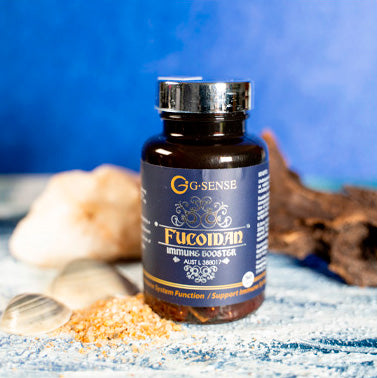
What is Fucoidan? Uses and Health Benefits
Fucoidan, a natural compound found in various types of brown seaweed, has gained significant attention for its potential health benefits. This sulphated polysaccharide has been the subject of numerous studies, particularly its possible effects on immune function, skin health, and more. In this article, we will explore the fucoidan benefits, including its impact on skin health, and its potential role in supporting overall well-being. Fucoidan Benefits: An Overview One of the primary fucoidan benefits is its potential to support immune function. Fucoidan is believed to enhance the activity of certain immune cells, which may help the body defend against infections...

Recent articles